Will You Lose Your House or Car in a Consumer Proposal in BC? A Clear Guide

If you’re dealing with debt and thinking about a consumer proposal, you’re likely feeling pressure from ongoing payments—like credit cards, lines of credit, or tax debt.
For many people across British Columbia, the bigger concern is what filing might mean for their day-to-day life—especially whether they could lose their home or their car. These aren’t just assets—they’re your stability, your routine, and your ability to move forward.
The good news is that a consumer proposal is designed to help you manage your debt without giving those things up in most cases. Here’s how it works.
Will You Lose Your House or Car in a Consumer Proposal in BC?
The short answer is:
Most people in BC are able to keep both their home and their vehicle.
A consumer proposal allows you to settle your unsecured debts—like credit card debt, CRA debt, and pay day loans—while keeping your assets.
Unlike bankruptcy, you are not required to give up your assets in a consumer proposal.
How Consumer Proposals Work in British Columbia
Consumer proposals are governed by the Bankruptcy and Insolvency Act (BIA), which applies across Canada.
In British Columbia, your individual situation—particularly your income, expenses, and any equity in your assets—can influence what your creditors are willing to accept.
For example:
- Higher home equity may lead to a higher proposal amount
- Your income affects what you can reasonably afford to repay
A consumer proposal needs to offer creditors more than they would receive in a bankruptcy, which is why these factors matter.
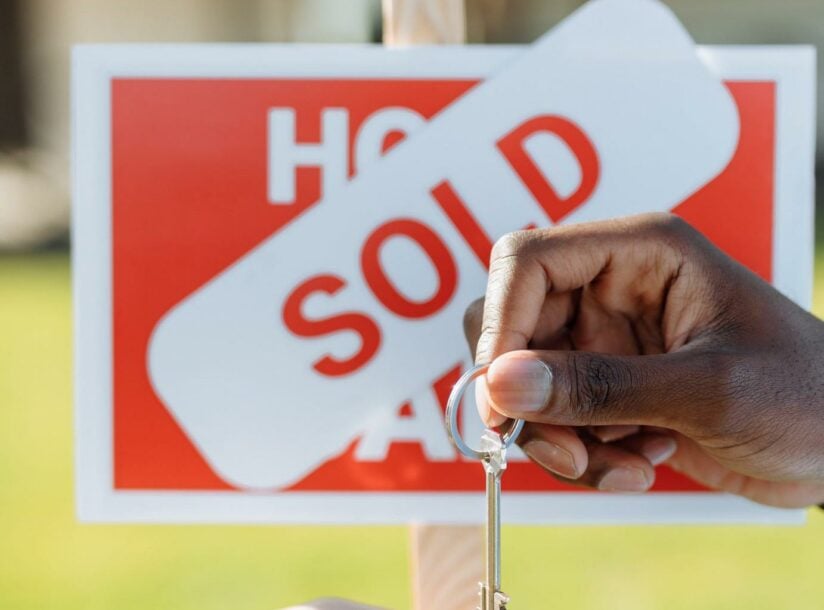
Can You Keep Your House in a Consumer Proposal in BC?
In most cases, yes—you can keep your home.
Here’s what matters:
Staying current on your mortgage
Your mortgage is a secured debt, which means it’s not included in your consumer proposal.
As long as you:
- Continue making your mortgage payments
- Stay in good standing with your lender
You can keep your home.
Home equity and your proposal
If you have equity in your home, it does not mean you lose your house—but it can affect your proposal.
Creditors may expect:
- A higher monthly payment, or
- A higher overall repayment amount
This is because your proposal must still be more favourable than what they would receive if you filed for bankruptcy.
The key point: you keep your home, but the terms of your proposal may adjust.
When Can You Lose Assets in a Consumer Proposal?
Yes—most people in BC are able to keep their vehicle.
If your car is financed or leased:
- You can keep it as long as you continue making payments
- The loan or lease remains separate from your proposal
If your car is fully paid off:
- It is considered an asset
- In most cases, you still keep it in a consumer proposal
When Can You Lose Assets in a Consumer Proposal?
There are situations where assets need closer review:
- You are behind on mortgage or car payments
- The payments are no longer affordable
- You choose to surrender an asset to reduce expenses
It’s important to note that a consumer proposal does not protect you from secured creditors if you fall behind on those payments.
However, you still have options. A Licensed Insolvency Trustee can help you review different scenarios and decide what makes the most sense for your situation.
Why Choose a Consumer Proposal in BC?
A consumer proposal is often a good option if you:
- Want to avoid bankruptcy
- Have a steady income
- Want to keep your home and vehicle
It also provides immediate relief by:
- Stopping interest on unsecured debts
- Stopping collection calls
- Stopping legal action (including wage garnishments)
The Bottom Line: Can You Keep Your House and Car in a Consumer Proposal?
If you’re worried about losing your house or car, you’re not alone—this is one of the most common concerns people have.
The key takeaway is:
A consumer proposal in BC is designed to help you keep your assets while resolving your debt.
Your exact outcome depends on your financial situation, but in many cases, people are able to move forward without giving up the things that matter most.
Speak with a Licensed Insolvency Trustee in BC
Getting clear, personalized advice can make all the difference.
A Licensed Insolvency Trustee can help you understand:
- What you can keep
- What your payments might look like
- Whether a consumer proposal is the right fit
If you’re in Nanaimo, Vancouver, or anywhere in British Columbia, you can have a confidential conversation and get answers tailored to your situation.
Book your free debt consultation now.
Frequently Asked Questions About Consumer Proposals in BC
Will I lose my house if I file a consumer proposal in BC?
In most cases, no. You can usually keep your home as long as you continue making your mortgage payments. Your mortgage is a secured debt and is not included in your consumer proposal.
Will I lose my car in a consumer proposal?
Most people are able to keep their vehicle. If your car is financed or leased, you can keep it as long as you stay up to date on your payments. If it’s fully paid off, you can typically keep it as well.
What debts are included in a consumer proposal?
A consumer proposal includes unsecured debts such as credit cards, lines of credit, personal loans, payday loans, and tax debt with the CRA. Secured debts like mortgages and car loans are not included.
Does a consumer proposal affect my mortgage?
Your existing mortgage is not included in a consumer proposal. As long as you continue making your payments, your lender is not directly affected. However, renewing or refinancing your mortgage may be more difficult while the proposal is active.
How is a consumer proposal amount calculated?
Your proposal is based on what you can afford to repay and what your creditors would receive in a bankruptcy. Factors like your income, expenses, and any equity in your assets can affect the final amount.
How long does a consumer proposal last in Canada?
A consumer proposal can last up to five years (60 months). Many people choose a shorter term if they can afford higher payments.
Does a consumer proposal stop collection calls?
Yes. Once your consumer proposal is filed, creditors must stop collection calls and legal action, including wage garnishments, on unsecured debts.
Is a consumer proposal better than bankruptcy?
It depends on your situation. A consumer proposal is often a good option if you want to avoid bankruptcy and keep your assets, but the right choice depends on your income, debts, and financial goals.
If you’re worried about losing your home or your car, you’re not alone—this is one of the most common concerns people have when considering a consumer proposal.
In many cases, there are ways to move forward without giving up the things that matter most. And if you’re unsure what that looks like for you, a conversation with a Licensed Insolvency Trustee can help you get clear on your options and next steps.